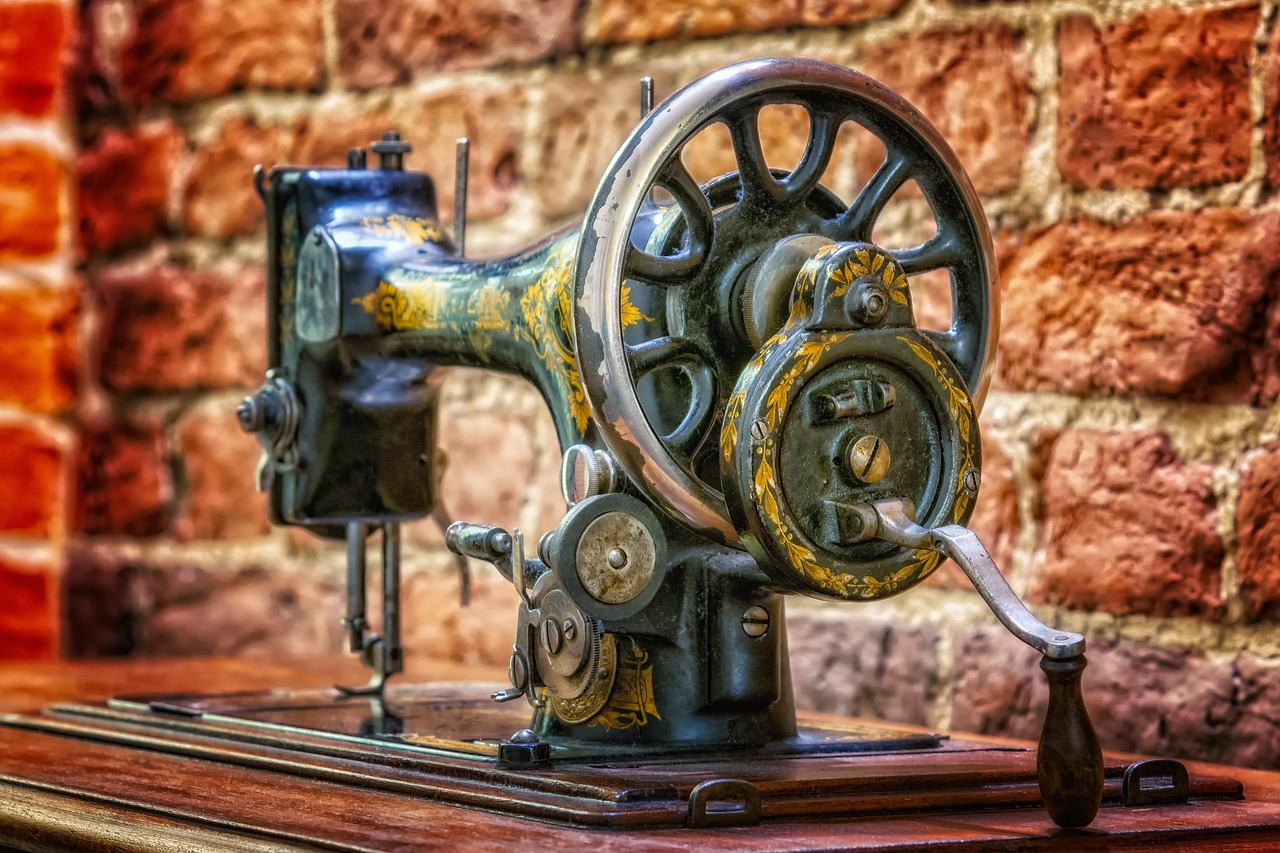
The modern sewing machines offer so many stitch options that beginners often feel confused about which ones to use you. This was not the case during our grandma’s time. The vintage sewing machine offered only basic stitch and those were enough for most sewing tasks.
Now, when you go to buy your first sewing machine, the dealer shows you the machines with the most stitches. When searching online, you may also look for machines with more stitch options. This often convinces beginners to buy a machine with many stitches because they do not want to regret their decision later.
But after sewing for a few years, you realize that you have hardly used many stitches. You don’t even know the purpose of those stitches or how to use them, which you once thought would help you in creating beautiful sewing projects.
In this post I am discussing the types basic sewing machine stitches, which are necessary for some sewing projects.
There are different types of stitches available to make garments beautiful and long-lasting, such as utility, finishing, reinforcement, decorative, and temporary tacking stitches. The most suitable stitch type can be chosen according to the fabric and design of the garment.
Different Types Of Stitches Available In Modern Sewing Machines
These are the most common stitches found on modern sewing machines. Some of these stitches are especially useful for creating neat and decorative sewing projects. It is helpful to understand the stitches available on your sewing machine. You do not need to remember every stitch, but you should know the essential stitch types. This will make your sewing journey easier and more enjoyable.
Basic Utility Stitches
These are commonly used in everyday sewing like repairing clothes, hemming jeans. These stitches are especially important for beginners because of their usefulness in everyday sewing projects.
1. Straight stitch
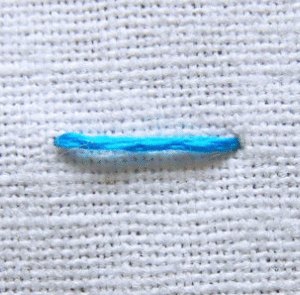
Best for– Basic seams, garment construction, repairs, and topstitching.
The straight stitch is the most basic and widely used stitch in sewing. A long time ago, it was the only stitch available for home sewing machine. You can create many projects using the straight stitch.
The straight stitch is made by passing the needle in and out of the fabric at a regular distance. You can also alter the length of the straight stitch by adjusting the stitch length.
This stitch is generally used for repairing clothes, sewing seams, hemming pants, attaching pockets and making simple garments and home decors.
It is recommended for beginners to learn the straight stitch first because it is easy and can be used for almost all sewing tasks. Once you get acquainted with this stitch, it will be much easier to learn other types of stitches.
2. Zigzag stitch
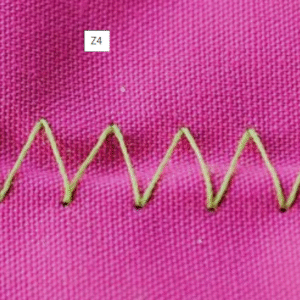
Best for– Stretch fabrics, edge finishing, and preventing fraying.
A zigzag stitch is a variety of lockstitch. It is a very versatile stitch that creates a back-and-forth stitching pattern. You can use a zigzag stitch when a straight stitch is not sufficient for the fabric or sewing task. To sew a zigzag stitch, you need to use a zigzag foot on your sewing machine.
A zigzag stitch can be used for seam finishing, appliqué, bar tacks, satin stitching, and decorative sewing. It can also be used for sewing buttons and creating free-motion monograms.
3. Triple Straight Stitch
Best for: Strong seams, sportswear, athletic wear, leggings, bags, and areas that receive extra stress.
Triple straight stitch is very similar to the regular straight stitch. When you see it for the first time you will think so. But triple straight stitch is created by using three tiny straight stitches that is: one forward, one backward and one forward again.
This stitch is thicker and stronger than a normal straight stitch because it gets locked three times in each stitch. As it is strong, it can be used in tighter garments like sportswear, for athletic wear, leggings and the other garments which need strong and durable seams.
4. Stretch Stitch
Best for: Stretch fabrics, T-shirts, leggings, activewear, knit garments, and elastic seams.
A stretch stitch is a sewing machine stitch that is designed for stretchy fabrics. It makes the seam more flexible by stretching along with the fabric.
It is mainly used for sewing knit and stretch fabrics such as T-shirts, leggings, and sportswear. A stretch stitch helps create stronger and more flexible seams, making garments more comfortable and durable.
Finishing and Hemming Stitches
These stitches are used to finish raw fabric edges. They help prevent fabric from fraying and create neat hems and give a professional appearance.
These stitch types are helpful for garments, curtains, and home décor projects.
1. Overlock stitch
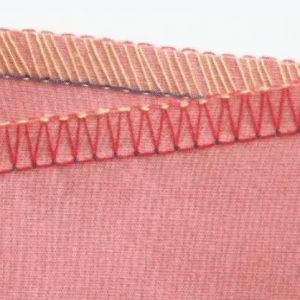
Best for: Seam finishing, knit fabrics, hemming, and preventing fraying.
It is used to enclose a raw, unfinished edge or seam. It is commonly used for over-the-edge sewing, hemming, and joining one or two pieces of fabric. This stitch is usually sewn using a serger.
An overlock stitch is commonly used for seam finishing, preventing fabric edges from fraying, hemming, and certain decorative sewing applications.
2. Overcasting stitch
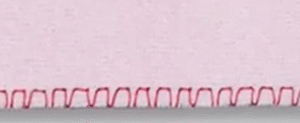
Best for: Finishing raw fabric edges, sewing seams on knit fabrics, and creating decorative edge finishes.
Overcasting stitch is used to enclose the unfinished fabrics edges. For this, an overcasting foot is usually needed. It can also be used to stitch seams on knit fabrics. You can also sew picot edges using overcast stitch.
3. Blind hem stitches
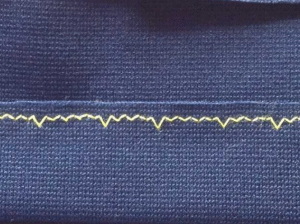
Best for: Invisible hems on skirts, dresses, trousers, curtains, and other folded fabric edges.
Blind hem stitches are stitches that are almost completely hidden. In a blind hem stitch, two folded fabric edges are joined while the thread remains nearly invisible. It is useful for joining folded edges together and creating neat hems.
To use this stitch, a special blind hem foot is usually needed. It is used in skirts, dresses, trousers, and curtains. It is also used for decorative stitches.
Button and Reinforcement Stitches
These stitches are mainly used for creating buttonholes and attaching buttons securely.
They help strengthen areas that receive extra stress and are frequently pulled during regular use. They are commonly used in shirts, cuffs, waistbands, pockets, and other areas that need additional reinforcement.
1. Buttonhole stitches
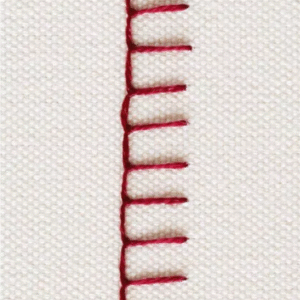
Best for: Sewing buttonholes on shirts, dresses, trousers, skirts, and other garments that use buttons.
Buttonhole stitches are used for creating buttonholes quickly and easily. You can also use zigzag stitches to sew buttonholes. However this method requires more time and effort.
Nowadays most sewing machines come with one step or two step buttonhole option, which make sewing buttonholes much easier.
2. Cover stitch
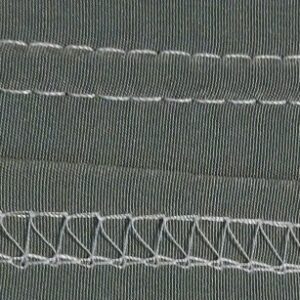
Best for: Stretch fabric hems, T-shirts, leggings, sportswear, and ready-made knit garments.
A cover stitch is a common stitch type. It is mostly found in ready-made garments. Cover stitch is a professional looking hem. It has two rows of stitching on the top and a serger-like stitch on the back. A coverstitch machine is usually used to create this stitch.
Cover stitch has excellent Stretchability. A coverstitch stretches along with the fabric without breaking easily.
3. Bar tacking Stitches
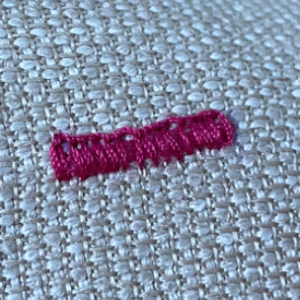
Best for: areas of a garment that experience repeated pulling or stress.
Bar tack stitches are created by sewing a series of closely spaced stitches. In this, the stitches are perpendicular to each other, which forms a bar-like shape. The bar tack stitches are a series of zigzag stitches.
Bar tack stitches are used to reinforce stress points, attach belt loops, attach ribbons and are also used to decorate garments.
Decorative stitches
The modern sewing machines come with a bunch of decorative stitches, but most of us are unaware of how to use those stitches. As a result, we end up using them very rarely.
Many people don’t use the decorative stitches. Maybe they are not familiar with the stitch menu, or don’t know how to adjust the length and width of stitches. So they prefer to use the basic stitches.
Many people are also in a hurry to finish their sewing project. So, they don’t get time to experiment with the decorative stitches.
Decorative stitches can also be used to add a decorative edge to a hem, create a border on a quilt, or to add texture to a fabric.
You can also cover up your sewing mistakes using the decorative stitches. Some of the most common decorative stitches are herringbone stitch, shell tuck, and scallop stitch.
1. Herringbone stitch
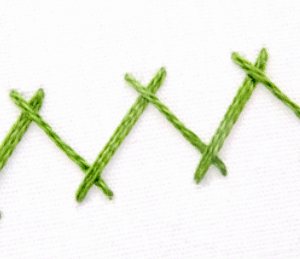
Best for: Creating decorative borders, embroidery designs, and adding texture to fabric.
Herringbone stitch is a type of decorative stitch which is mostly used in embroidery, knitting and crochet. It got its name because of its resemblance to bones of a fish called herring extending from the spine.
It is often used to create a border in embroidery. It has a distinctive V shape. Sometimes it looks like a zigzag pattern.
2. Cross Stitch
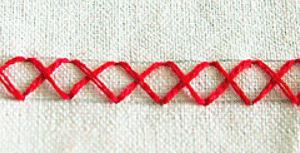
Best for: Creating pictures, patterns, decorative designs, and adding detailed embroidery to fabric.
Cross stitch is a type of stitch in which X shaped stitches in a tiled and raster like pattern is used to form a picture. It is a popular form of counted thread embroidery.
Cross stitches are made by hand, but now some sewing machines also come with cross stitch option.
3. Scallop stitch

Best for: Creating decorative borders and edging, decorating blouse collars, and making flower and leaf designs.
Scallop stitch is a type of decorative stitch. It can be used alone or combined with other stitches to create unique designs. It is a series of curved lines called scallops.
Scallop stitch is used to create decorative borders or edging on fabrics. It is also useful in making flowers, leaves, etc. You can also use this stitch to decorate edges of blouse collars.
4. Shell Tuck
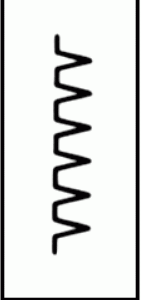
Best for: Creating scalloped edges and hemming knit fabrics.
Shell tuck stitch gives scalloped edging. So, sometimes it looks like a scalloped stitch. But in shell tuck stitch the fabric is tucked up to make a 3-dimensional scallop which looks like a shell.
It can be used for hemming knit fabrics.
5. Honeycomb stitch
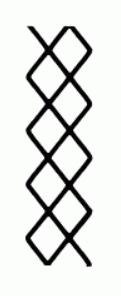
Best for: Elastic insertion, smocking, and adding decorative details to blouse yokes and skirt hems.
A honeycomb stitch is a type of decorative stitch. It is made using a series of closely spaced zigzag stitch patterns. It looks like a honeycomb structure.
The honeycomb stitch is used for elastic insertion and smocking. It can also be used in the yoke of a blouse and the hem of a skirt.
6. Basting stitch
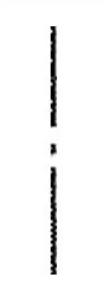
Best for: Temporarily holding fabric pieces together, checking fit, and positioning seams before final stitching.
The basting stitch or tack is a long and loose type of stitch. It is made for temporary use. It holds the fabric together until the final sewing is done. Basting is done on the side seams of a skirt to check the fit. After stitching the final seam, the basting stitch is removed.
FAQs
What are the most common types of sewing machine stitches?
Some of the most common sewing machine stitches are straight stitch, zigzag stitch, overcasting stitch, blind hem stitch, buttonhole stitch, and decorative stitches. Different stitches are used for different sewing purposes.
Which stitch is best for sewing seams?
The straight stitch is generally the best stitch for sewing seams. It is a basic and commonly used stitch that can be used for joining two pieces of fabric together.
Which sewing machine stitch is best for stretch fabrics?
The zigzag stitch and stretch stitches can be used for stretch fabrics. These stitches allow the fabric to stretch without breaking the thread easily..
Which sewing machine stitch is best for stretch fabrics?
The zigzag stitch and stretch stitches can be used for stretch fabrics. These stitches allow the fabric to stretch without breaking the thread easily.
What is the difference between a straight stitch and a zigzag stitch?
A straight stitch creates a straight line of stitches, while a zigzag stitch creates a back-and-forth pattern. Straight stitch is commonly used for seams, while zigzag stitch can be used for finishing raw edges, stretch fabrics, and decorative sewing.
Can decorative stitches be used for regular sewing?
Decorative stitches are mainly used for adding designs and decoration to fabric, but some of them can also be useful for sewing and finishing. They can be used to create decorative edges, borders, and patterns on garments and other sewing projects.
Verdict
We have discussed the most important and widely used stitch types. Hope you have got an idea about types of sewing machine stitches. I hope now you will use more of the stitches in your sewing machine.