
Every sewist knows about stitching, sewing. But do you know what a seam is?. If you are into this craft, you must know various terms used in sewing. There are many such terms in sewing that every sewist must know.
In this post we will study what a seam is and the different types of seams used in sewing. Lets start.
What Is a Seam
Seam refers to a method of joining two fabrics together using a needle and thread. This is a type of stitching. You can also join two fabrics using adhesives. You can stitch seams by hand or with a sewing machine.
Seam Vs Stitch
A seam is a line over which two or more fabrics are superimposed on each other. A seam can contain rows of stitching threads used to join the fabrics.
A stitch is a loop of thread formed during sewing. A single unit of this structure is called stitch.
Different Types Of Seams In Sewing
There are so many types of seams in sewing. After the invention of computerized sewing machines, so much more has been added. Here are the detailed descriptions of the most commonly used seams in sewing.
1. Plain Seam
It is the easiest and commonly used seam in the sewing industry. In this, we place two pieces of fabric together with their right sides. Place them one upon another. Start sewing along the edge of the fabric. It can be sewn by hand or with a sewing machine. This seam can be used on wide variety of sewing projects.
2. French Seam
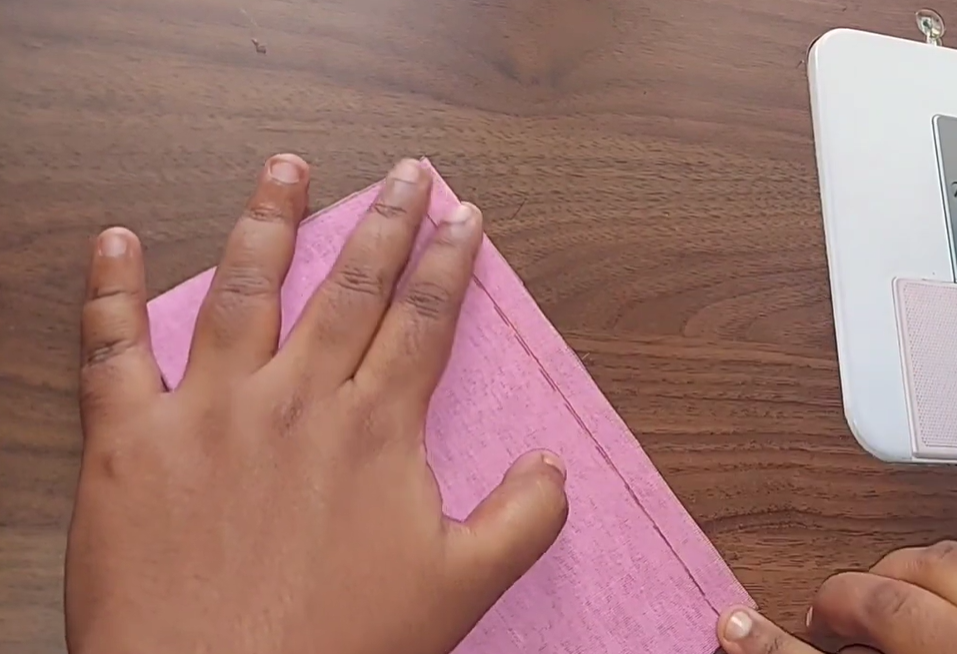
In a French seam, first the fabric is placed with the wrong sides together and a straight stitch is made. After that the seam allowance is trimmed and then the fabric pieces are placed right sides together and sewn again. Basically, in a French seam sewing is done twice. The French seam is designed to enclose the raw edges of the fabric. It is meant for lightweight and delicate fabrics like silk, chiffon and organza. It gives a neat professional finish to the garments.
3. Flat Felled Seam
In this type of seam the two pieces of fabrics are joined together with their wrong sides. Then it is done by trimming one seam allowance and folding the other one over it and then topstitching them.
The flat felled seam is used in heavy duty garments like jeans, denim jackets as it is very strong and durable.
4.Lapped Seam
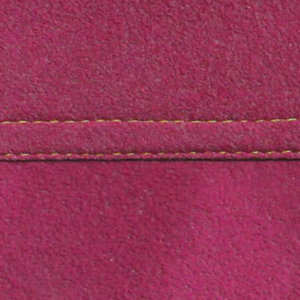
In lapped seam, two pieces of fabrics are placed in opposite directions. We place one fabric edge is overlapped over another and stitch them.
This is also a type of decorative stitch. It is used in heavy duty fabrics like leather, vinyl, suede, fleece and felt. This is most commonly used in raincoats and jeans.
5. Hairline Seam
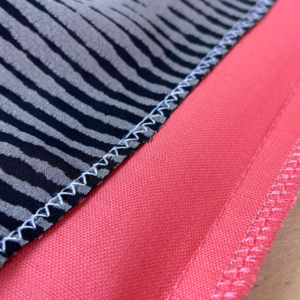
The hairline seam is a type of enclosed seam as the seam is enclosed and not visible from outside. In this two piece of fabrics are joined together and plain seam is done on right side of the fabric. Now, the extra fabric very close the stitch line is trimmed away. This type of seam is used in collars and other enclosed areas.
6. Slot Seam
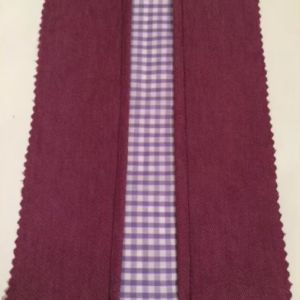
Slot seam is a decorative type of seam where we add a different colour fabric between two pieces of fabrics. In this two pieces of fabrics are joined together in such a way that the different colored fabric appears between them.
Two pieces of fabrics are placed on one another facing their right sides. Then place a different fabric in between. Stitch there leaving a seam allowance. This type of seam is used to add designs in the garments.
7. Welt Seam
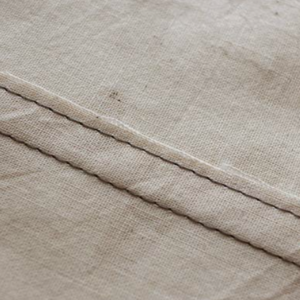
It is a type of decorative stitch. Here a basic seam is done. One seam allowance pressed over another. Now both the fabrics are pressed to the same side. This is similar to the flat fell seam, but the here edges are not turned under. So, in this type of seam raw edges will be visible to outside.
So, it is advised to use the welt seam in heavy fabrics which will not fray and the seam will not be seen. Welt seam is used in jacket coats and other outerwear.
8. Bound Seam
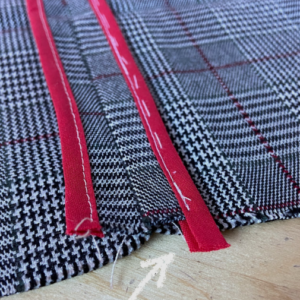
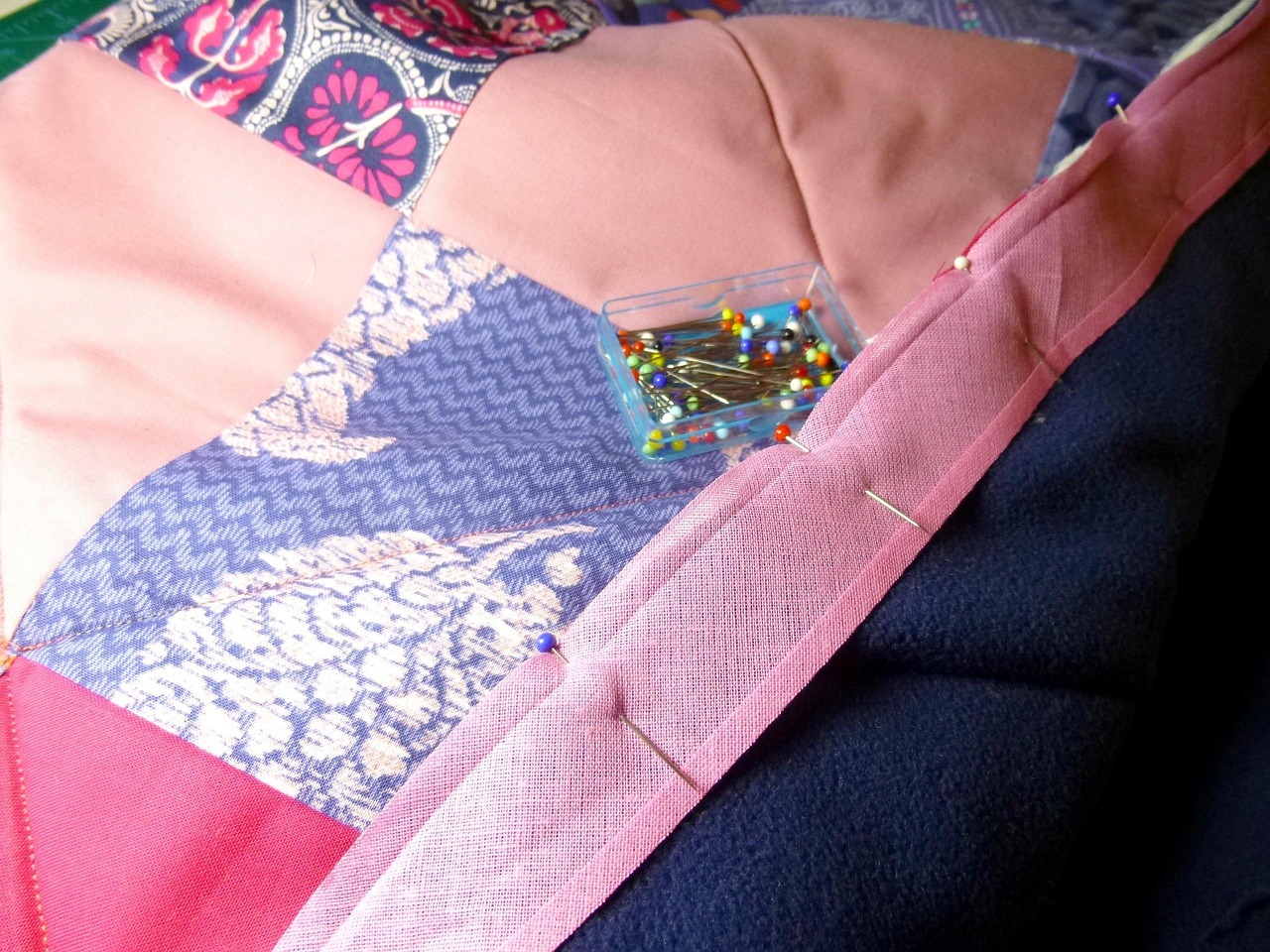
Bound seam is also a type of decorative stitch. Here two pieces of fabrics are joined using a plain seam. Then finish the edges with another piece of fabric or a lace to bind it.
These type seam is used to enclose the raw edges with a bias tape or strip of fabric. These are mostly used in unlined jackets, dresses or bags. This gives a decorative touch to garments.
9. Overlock Seam
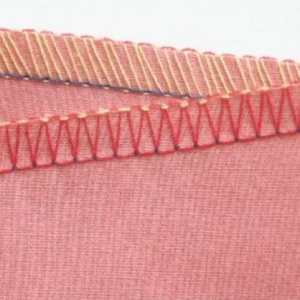
Overlock seam is done by an overlocker or serger. You need a serger for this. In this, the serger stitches the fabric and also trim the seam allowance and finish the edges. The serger do it simultaneously.
It is best for the fabrics which need stretchy seams like knit fabric, t-shirts. This prevents the fabric from fraying.
10. Princess Seam
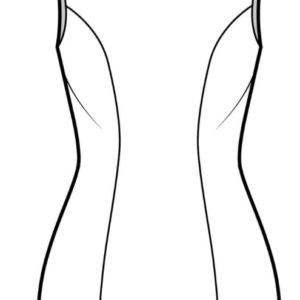
Princess seam is a vertical seam curved seam that run from armhole or shoulder to bust. This type of seam is used to join two pieces of fabrics for areas like bust.
Princess seam is a variation of dart seam. But, it is smoother than the dart. It helps to give the garment a 3D shape of the body.
Princess seam is used in coats, blouses.
11. Corner Seam
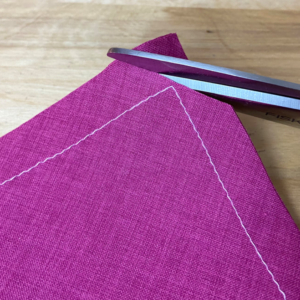
As the name speaks, corner seams those are sewn around a corner. You have to cut the seam allowance around the corner, then turn the corner to the right side. Then cut the fabric very close to the stitches.
The corner seams are used collars, cuffs, front facings, pillows, and pillowcases etc.
12. Taped Seam
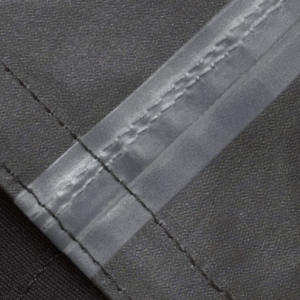
In the taped seam waterproof tape is used to seal the fabric. The waterproof tape prevents water or any type of moisture enter inside the garment. These type of seams are used in waterproof products.
This type of seam is used in winter jackets, tents. This type of seam prevents snow to enter inside the garments.
14. Corded or Piped Seam
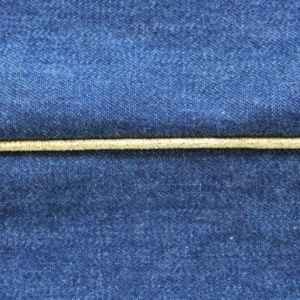
In corded or piped seam a piping is inserted into the seam line. This is used to decorate the garments. In this a cord is used that is covered with fabric. Either you buy readymade piping or buy the cord and make piping yourself. You can attach it using zipper or piping foot. The piped or corded seam is used in collars, cuffs, pockets etc.
15. Faced Seam
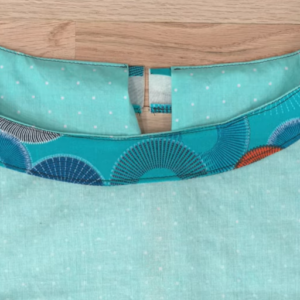
Faced seam is used to finish edge of garments. You can add facing to a garment by hand, sewing machine or overlockers. It is mostly used in armholes, necklines and waistlines.
Verdict
We have listed mostly used seam types in this post. There are many other types of seam varieties available. But these are the mostly used seams. If you know more types of seams then you can comment here in the comment box. I hope you have got little knowledge about the types of seams. Lets end it here. Have a great day.