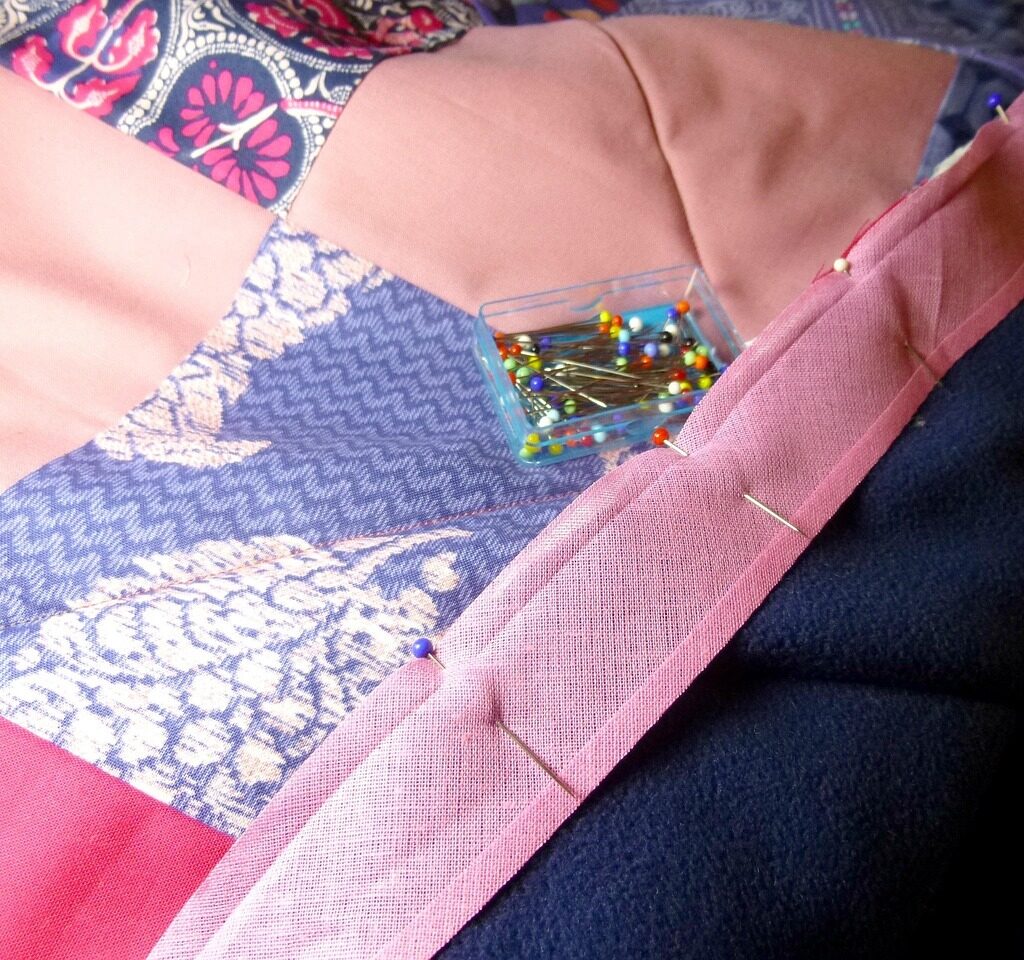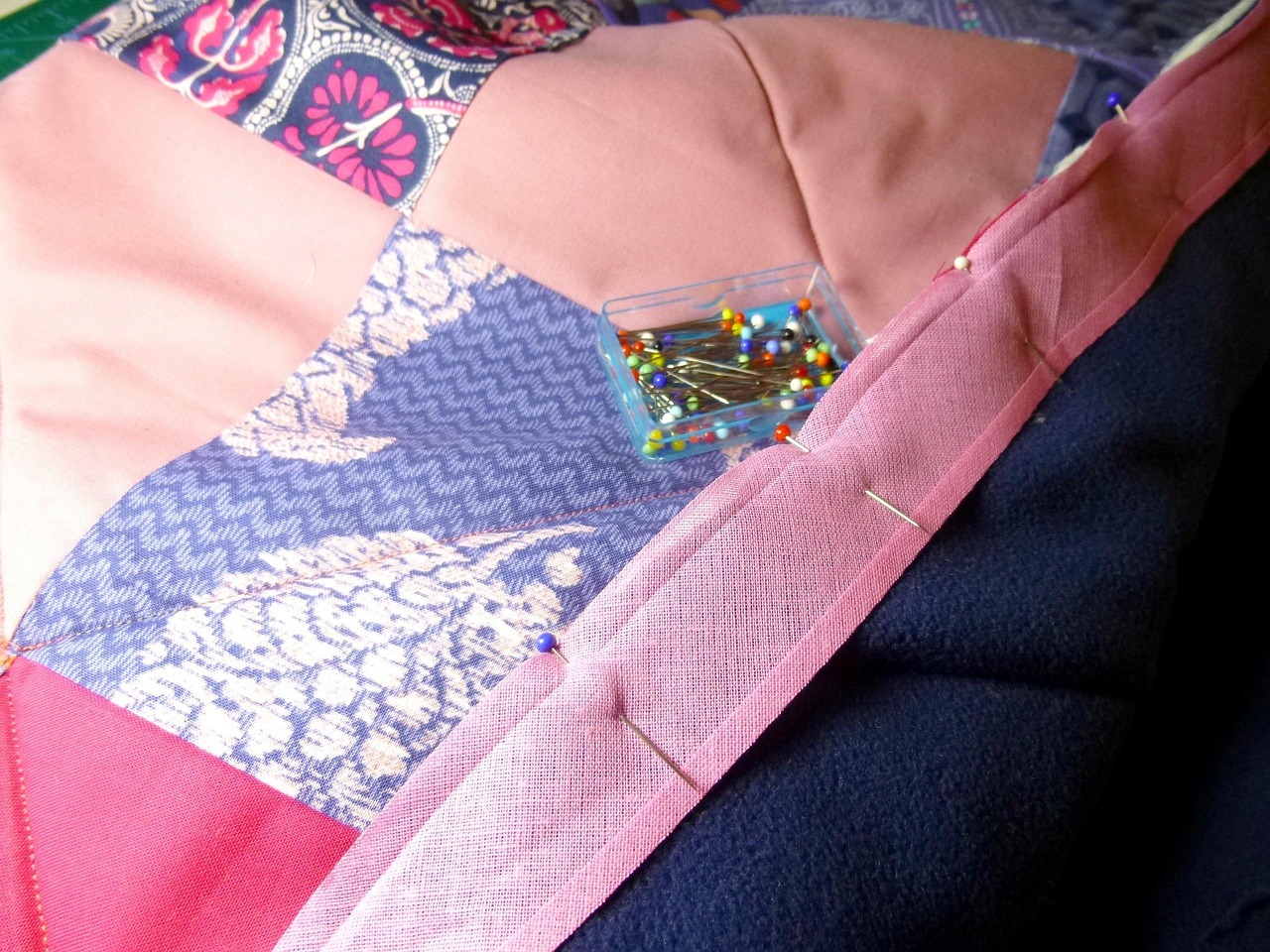

Keeping many tools is a different thing and knowing how to use those tools correctly and effectively is a totally different thing. The same applies to sewing tools also. Beginners face this issue a lot. I also didn’t know the correct way to use the pins in my initial days. I learned those skills gradually. You learn everything by doing it actually. But, in the midway of the process if you got some guidance then it will be a cakewalk for you.
To finish a sewing project successfully, you need to master so many things. If you do not pin the fabric in the right way, then the fabric will not be in right place. In the end, the stitching will not be good. The finishing of the project will not be good. Some sewist also do not like to use pins while others love to use. That is mainly because of injury. So, let’s discuss on the right way to pin the fabric.
Which Pin To Use
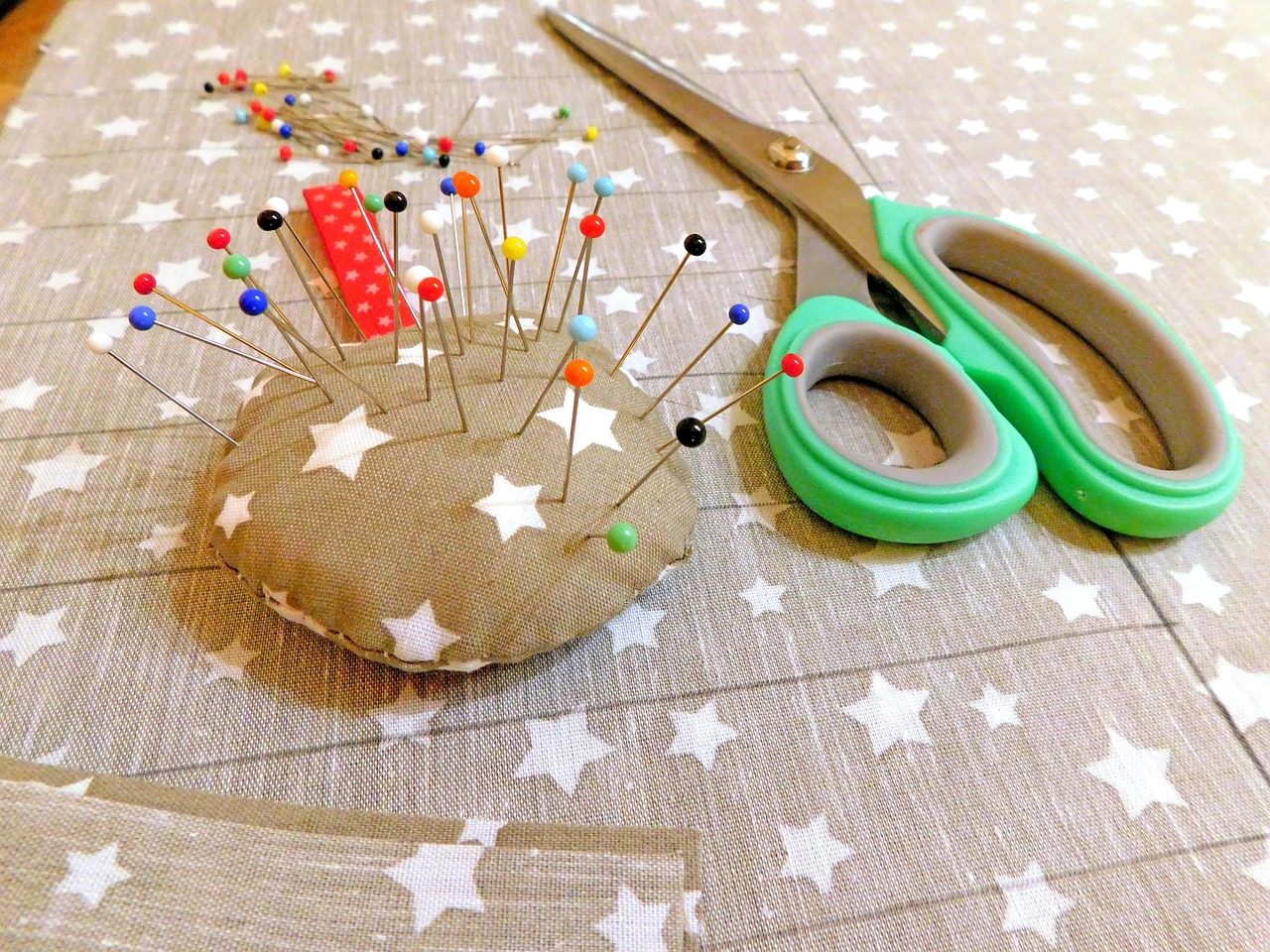
Before heading forward, first you should decide which pin to use for the particular fabric. First learn to use correct pin for the fabric. There are so many varieties of sewing pins available. Different types of pins are suitable for particular type of fabric
For extra fine and delicate fabrics, use silk pins. Other pin types will leave larger holes on the fabric.
For multiple layers of fabric and quilting, use curved pin. That will hold multiple layers of fabrics.
Longer pins are used for thicker fabrics. T pins are used in tightly woven fabrics.
Where To Use Pin In the Fabric
Always pin the fabric in the seam allowances. The seam allowance is the small amount of space between the sewing line and the edge of the fabric at the edge of where the fabric pieces meet. Sewing in the seam allowance is important because if it will create pin holes, then the holes will not be visible in the final project.
Correct Way To Pin The Fabric
There are two ways to pin a fabric
- Perpendicular
- Parallel
Perpendicular Pinning
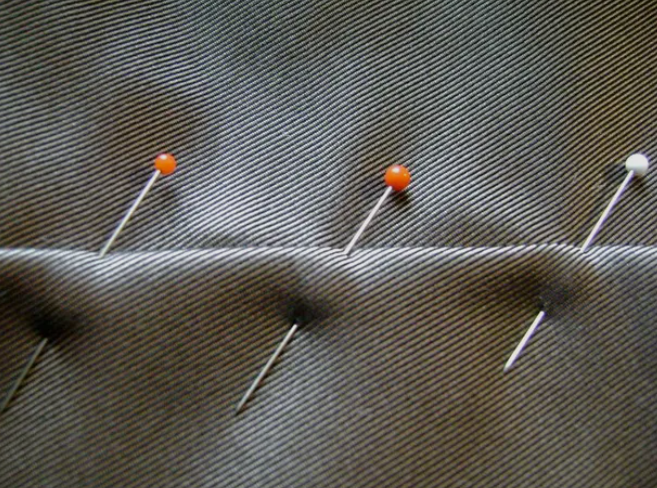
It is also called crosswise or horizontal pinning. In this type of pinning, you pin the fabric perpendicular to the seam line. In this type of pinning you can sew over the pins. Do not extend the pins more towards the seam allowance, it can leave marks on the fabric.
Parallel Pinning
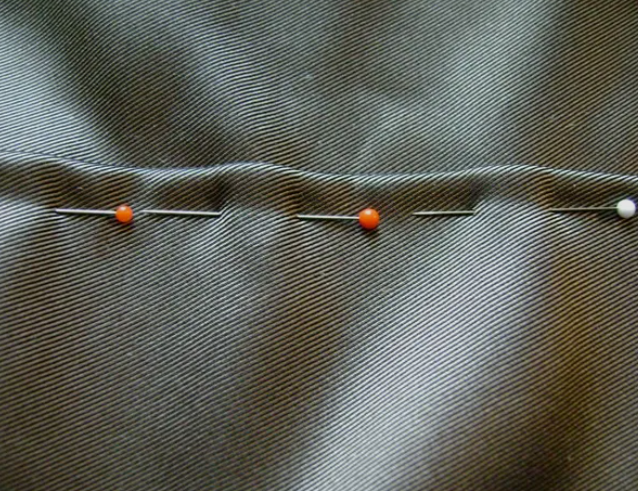
It is also called length or vertical pinning. In this, you will pin along the length of the fabric. It will be parallel to the seam allowance. In this type of pinning, you can not sew over pins.
No one can say which type of better for you. You should experiment yourself and check which works for you. Most people say, horizontal pinning better for them. But, you decide yourself.
In case of perpendicular pinning, the pins will not stick while gathering the fabric. It will be okay, if you don’t remove pins while sewing. In case of perpendicular pinning, you can remove all the pins at once.
Keep Less Distance Between Pins
In fabric with curved edges, use pins in less distance. For tight curve edges, place the pins very close to each other, so much close that they will overlap. For shallow curved edge, you can place pins half an inch apart. However, for long straight edges, you can keep little distance between the pins like one to two inch. For sharp curves, to avoid the overlapping pins, you can use smaller pins.
Should You Remove Pins While Sewing
It is recommended not sew over the pins. If you sew over the pins, it can break the needle. Broken needle can jam and damage the machine. I know it is difficult to remove pins while sewing. You can use straight pins and pin them perpendicular to the seam line. Also, sew very slowly while ensuring the needle does not hit the pins.
How Different Types Of fabric React To Pins
Lightweight Fabrics
It is very easy to pin the lightweight fabrics like cotton, lace etc. The problem comes when the the fabric is slippery. In that case, you can more pins.
Medium Weight fabric
Medium weight fabrics like canvas, denim also respond very nicely to the pins. But, you need to use stronger pins for these outdoor fabrics.
Heavyweight fabrics
You need different types of pin for heavyweight fabrics. Quilting pins are good for heavyweight and multi layers of fabric.
Should You Pin The Fabric Or Not
Yes absolutely, you can sew without using pins. If you are an experienced tailor, you can do without it. But for a beginner, it is advised to use pins all the time for few initial years at least. When you achieve expertise in sewing, you will find that you can sew comfortably without pinning the fabric. Then, you will decide when to use the pin and where to not.
Sewing Pin Alternatives
There are also many alternatives available to sewing pins. Our older generations used traditional methods instead of sewing pins. Some of the alternatives are hand basting, adhesives, pattern weights, clips etc.
Hand Basting
Hand basting is the traditional method to keep the fabrics in place. It gives more control on the hems than the pins. Water soluble threads are also available. You can use them in hand basting.
Adhesives
Adhesives like glue guns can be also be a good alternative to sewing pins. These are washable glues, gets washed and leaves no mark behind. Just apply thin line of the glue across edges of fabric. Press it and let it dry.
Pattern Weight
Instead of sewing pins we can place pattern weights over the fabric and prevent it from moving. Pattern weights like household small items like kitchen knives or something like this. This method will work for thin lightweight fabrics.
Sewing Clips
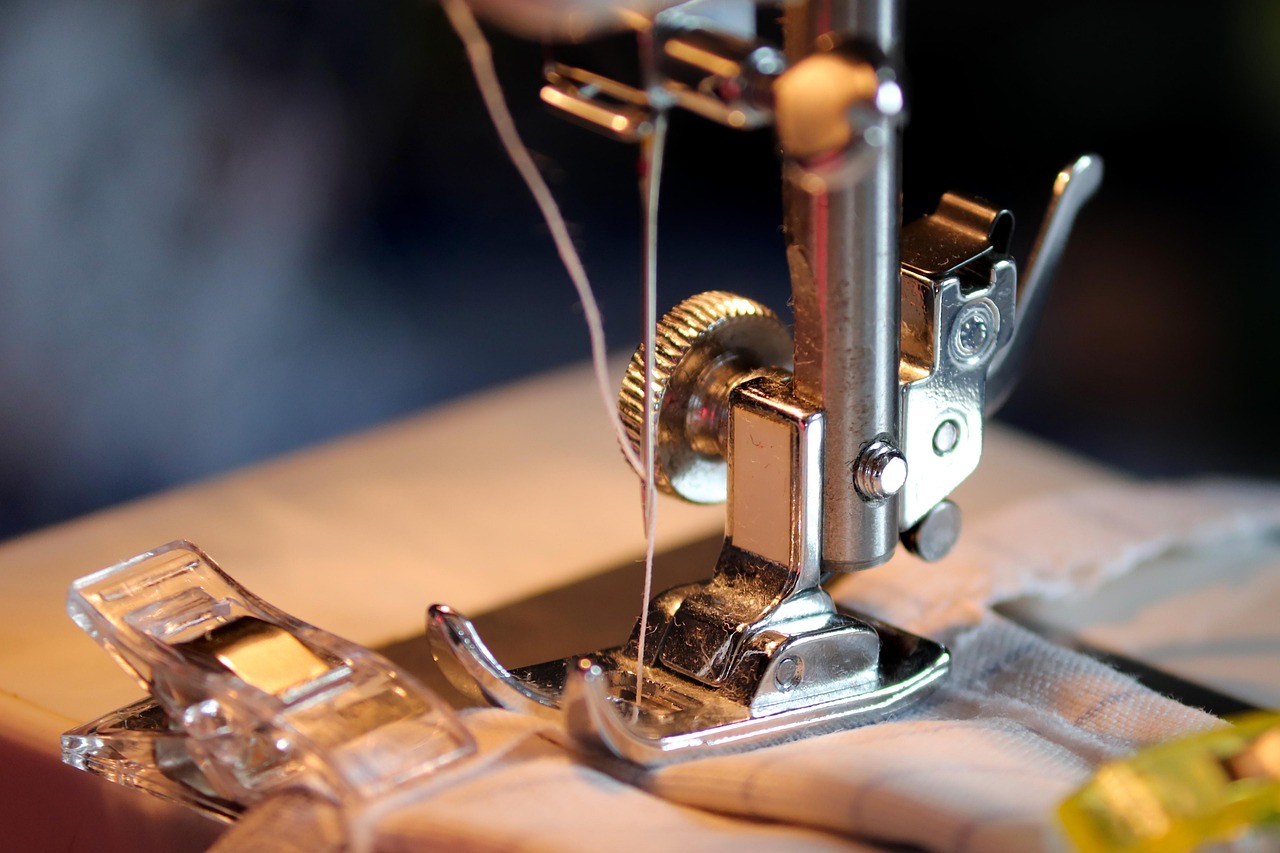
Sewing clips are the most popular alternatives to the sewing pins. These small plastic clips can hold multiple layers of fabrics easily. These will not pierce into the fabric like pins. So, they do not damage the fabric like pins. They can be stored in magnetic pin holders as they are magnetic like the pins.
Conclusion
Pinning the fabric is very much important important in sewing to prevent the fabric from moving. So that, we can sew perfectly. Knowing how to pin is important as you are in the sewing business. You should know the alternatives of sewing pin. We have discussed everything in this post. You can research various types of sewing pins later.